

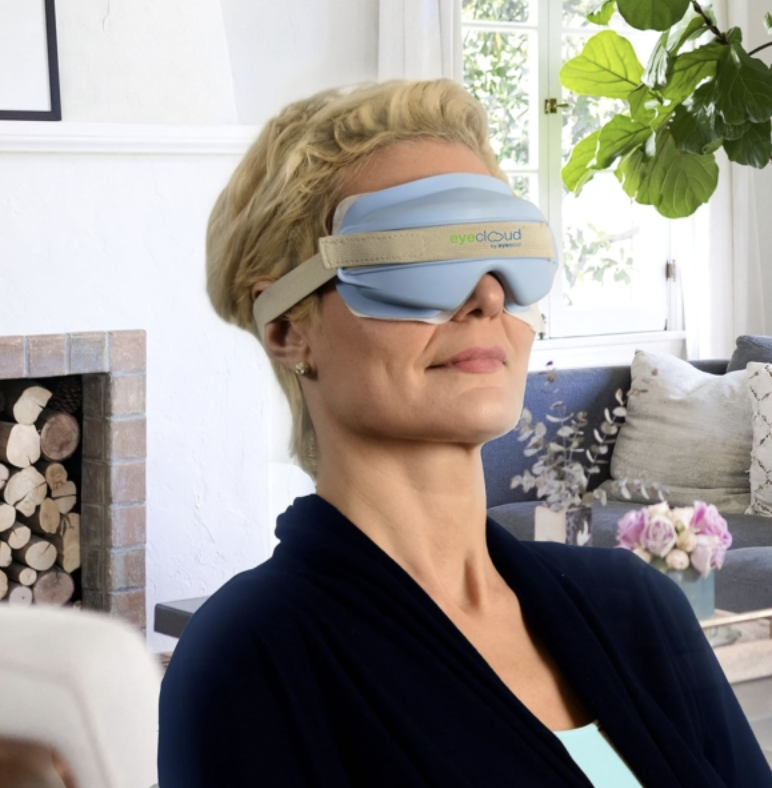
If your optometrist has suggested heat therapy for your dry eyes, you’ve probably already spent an hour comparing masks online. There are dozens of them. Some are $15. Some are $150. Some plug in. Some go in the microwave. Some look like sleep masks. Some look like medical devices.
As optometrists who stock and use these products in our practice, we get asked which one to buy almost every week. Here’s the honest version.
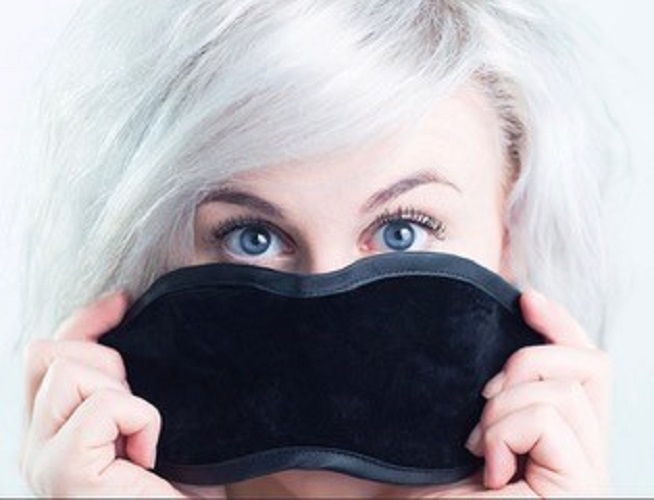
Why A Warm Washcloth Isn’t Doing The Job
The oil glands in your eyelids are called the meibomian glands. They produce a thin oil layer that sits on top of your tears and stops them evaporating. When those glands block up, the condition is called meibomian gland dysfunction (MGD), and it’s the leading cause of evaporative dry eye in Australia.
The whole point of heat therapy is to soften the hardened oils blocking those glands so they can flow again. That takes sustained, even heat at roughly 40 to 45 degrees Celsius, for at least 8 to 10 minutes.
A warm washcloth from the tap loses heat in about 30 seconds. By the time it’s still warm, it’s already too cool to do much. That’s why most people who “tried a warm compress and it didn’t work” weren’t actually treating MGD. They were just holding a slowly cooling flannel against their face.
A proper heated eye mask holds the therapeutic range for the full 10 minutes. That’s the difference.
What Actually Matters When You’re Choosing One
Most masks look similar in the photos. What matters is what happens when you put it on.
- Temperature Hold. The mask needs to reach 40 to 45°C and stay there for at least 10 minutes. If it cools off in three, you’ve wasted your time.
- Even Coverage. Heat needs to reach both the upper and lower eyelids. Plenty of cheaper masks only sit on the upper lid, which misses half the glands you’re trying to unblock.
- Hygiene. Anything warm and moist that touches your eyelids is a potential bacteria environment. Look for masks with antibacterial treatments, or ones you can clean and replace.
- Comfort. You’ll be wearing this for 10 minutes at a time, hopefully most days. If it’s heavy, slippery, or scratchy, you won’t stick with it. Consistency is what gets the result, not the brand on the box.
- Ease Of Use. A mask that needs a microwave, a timer, a towel underneath, and three hands isn’t going to be used every night. The simpler the routine, the more likely you are to finish the treatment.
The Main Types Compared
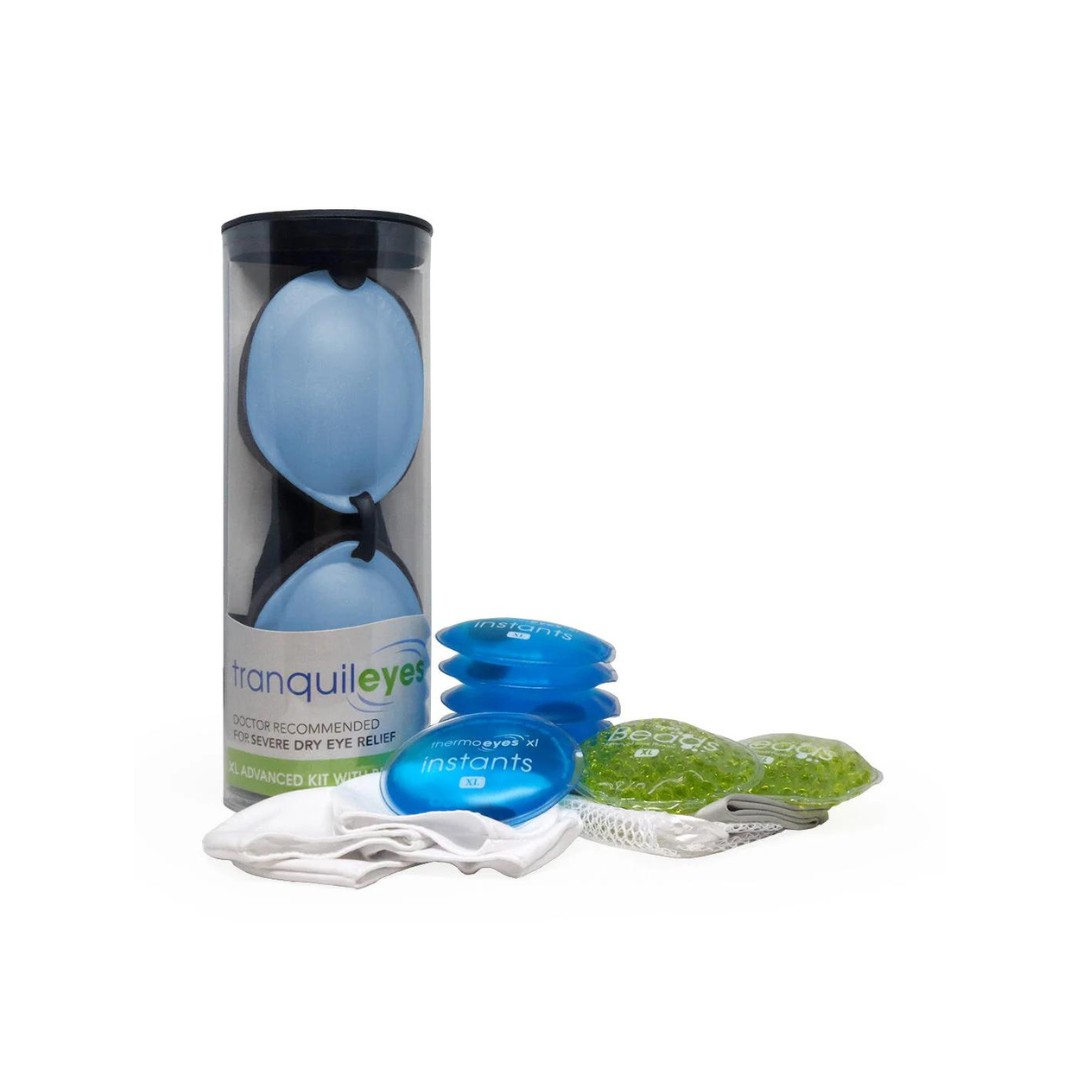
Microwaveable Bead Or Gel Masks
The most common type. You heat them in the microwave for 20 to 30 seconds, then wear them for 10 minutes.
- What We Like: Simple, affordable, no cords, reusable for months.
- What To Watch For: Heat drops off toward the end of the session. You can overheat them if you microwave them too long. The beads eventually lose their heat retention and the mask needs replacing, usually after 6 to 12 months.
USB Or Electric Heated Masks
Plug in masks that hold a steady temperature for the full session.
- What We Like: Constant temperature, no guesswork, adjustable settings on some models.
- What To Watch For: More expensive upfront, not as portable, and you need a power source.
Single Use Disposable Warming Masks
Activated by opening the packet. Popular in Japan, increasingly stocked in Australia.
- What We Like: Hygienic, consistent heat, excellent for travel.
- What To Watch For: Cost adds up fast if you use them daily. Not adjustable. Creates waste.
Overnight Moisture Chamber Masks
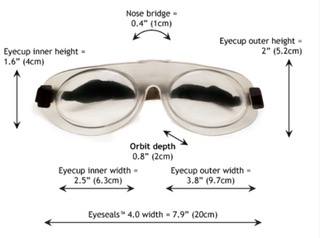
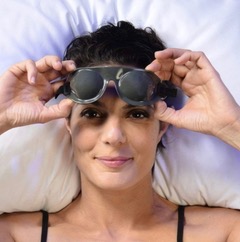
Not heated, but worth including in the conversation. These seal around your eyes overnight and create a high humidity chamber that stops your tears evaporating while you sleep.
- What We Like: For people who wake up with gritty, crusted eyes every morning, they can make a genuine difference within a week.
- What To Watch For: They don’t do what a heated mask does. They’re a different tool, solving a different part of the problem.
What We Actually Stock And Why
We don’t try to stock every heated mask on the Australian market. These are the ones we recommend to our patients on the Central Coast, and the ones we use in our own practice.
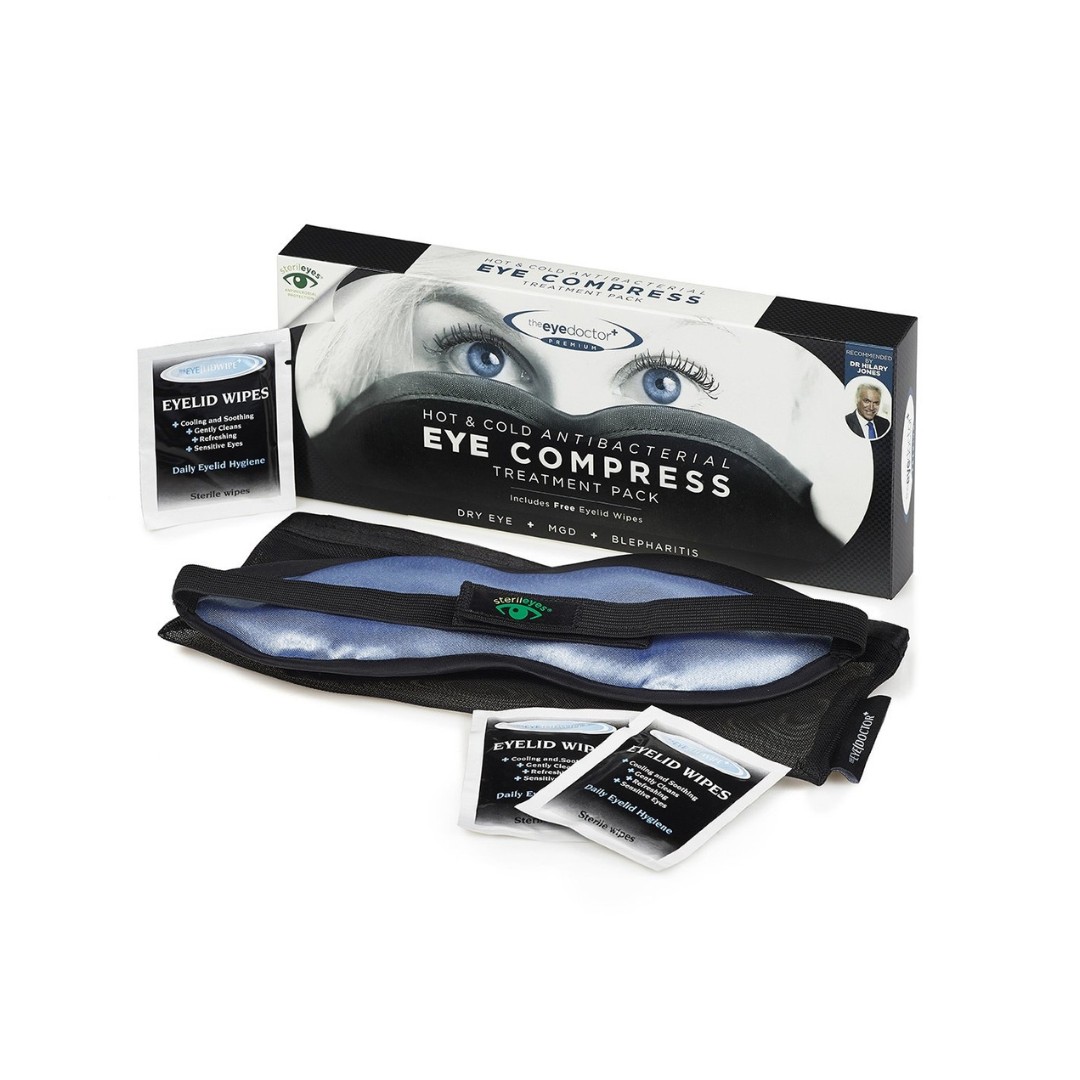
For Daily Home Treatment: The Eye Doctor Premium Antibacterial Eye Compress
Microwaveable, holds heat well through a full 10 minute session, and uses Sterileyes antibacterial technology so it stays hygienic between uses. It’s the one we hand to most new MGD patients as a starting point. From our experience, it’s what gets people compliant because it’s simple enough to actually use every night.
For Travel, The Office, Or Anywhere Without A Microwave: The Eye Doctor Click And Go
Reusable, portable, and activates without a microwave. We recommend this as a second mask for patients who travel regularly or want to keep one at work. It’s not a replacement for the home version, but it covers the situations where your microwave isn’t around.
For Overnight Dry Eye Relief: EyeSeals 4.0
Not a heated mask. It’s a moisture chamber worn overnight to hold humidity around your eyes while you sleep. If you wake up feeling like your eyelids are stuck to your eyeballs, this solves a different problem than heat therapy. Patients who need both tend to use them in combination.
For A More Thorough Home Treatment: EyeCloud Home Treatment Kit
A step up from a basic heated mask. The EyeCloud combines controlled warmth with guided meibomian gland expression in one device, so the heat softens the blockage and the expression helps clear it. Both parts of the treatment in a single session. It’s become more accessible with a recent price reduction, which puts a more complete home routine within reach for more patients. Worth a look if your MGD hasn’t shifted with a basic mask, or if you’d prefer a more structured at home approach. Pop in or call us if you’d like to see one before you commit.
As A Complementary Daily Tool: NuLids Dry Eye System
This isn’t a heated mask. It’s a daily eyelid stimulation device that gently massages the lid margin and helps express the meibomian glands. We mention it because patients using heat therapy alongside NuLids often see better results than heat alone for stubborn MGD. Talk to us before adding it to your routine. It’s not the right tool for every dry eye case.
Heat Therapy Is One Piece Of The Puzzle
A heated mask works on the blockage inside the meibomian glands. For most dry eye patients, it’s used alongside a few other tools, not instead of them.
- Preservative Free Lubricant Eye Drops for daytime symptom relief between heat sessions. Your optometrist can recommend the right drop based on your tear film.
- Dry Eye Supplements that support tear quality from within. Our comparison of Lacritec and DryEye Forte covers the two we stock most often, and Macutec Once Daily is the option we recommend when macular health is also a factor.
- Eyelid Hygiene. A dedicated lid cleanser (not a face wash) keeps the lid margin clean between heat sessions, which matters more than most people realise.
Heat therapy tackles the blockage. These other tools keep the system healthy around it. When you talk to us about your dry eye, we’ll walk you through the full routine for your situation, not just the mask.
How To Use A Heated Eye Mask So It Actually Works
Heat therapy is a commitment, not a one off. Here’s the routine we ask patients to follow:
Daily For The First 2 To 4 Weeks. This is the loading phase. You need consistency early to actually shift the blockages.
Drop To 3 To 4 Times A Week After That. Maintenance level for most people. Some patients with chronic MGD stay daily long term.
10 To 15 Minutes Per Session. Less than 10 and the oils don’t soften enough. More than 15 and you’re wasting time.
Follow With Gentle Lid Massage Or Expression. The heat softens the blockage. The massage actually clears it. Your optometrist can show you the technique once. It’s not complicated.
Clean Lids First. Pair the heat therapy with a proper eyelid cleansing routine if you wear eye makeup or have any lid inflammation. A clean lid lets the heat do more.
The best mask in the world won’t help if you use it twice and give up. The best one is the one you’ll actually pick up every night.
Still Not Sure Which One To Start With?
We see MGD patients every week, and the right starting point depends on what’s driving your dry eye. Book an appointment at our Central Coast practice and we’ll assess your tear film, check your meibomian glands, and tell you exactly which mask suits your situation, and whether heat therapy is even the right first move.
Shop Heated Eye Masks At Eyes By Design
Book An Appointment With Our Optometrists
FAQs
Do Heated Eye Masks Actually Work For Dry Eye?
Yes, when the dry eye is caused by meibomian gland dysfunction, which is most evaporative dry eye cases. Sustained warmth softens the blocked oils in the glands so they can flow again. Studies cited by the Tear Film and Ocular Surface Society (TFOS) support warm compress therapy as a first line treatment for MGD. The key is sustained heat at 40 to 45°C for at least 10 minutes per session, used consistently.
How Long Should You Wear A Heated Eye Mask?
10 to 15 minutes per session is the target range. Less than 10 minutes and the oils don’t soften enough to clear the blockage. More than 15 minutes doesn’t give you additional benefit and can dry the skin around your eyes. Follow the heat with gentle lid massage for best results.
Can You Use A Heated Eye Mask Every Day?
Yes. For the first 2 to 4 weeks of treatment, daily use is recommended to shift existing blockages. After that, most patients can drop back to 3 to 4 times a week for maintenance. Patients with chronic or severe MGD often benefit from continuing daily use long term. Talk to your optometrist about the right schedule for your situation.
Is A Heated Eye Mask Better Than A Warm Washcloth?
In most cases, yes. A warm washcloth loses heat within about 30 seconds and rarely reaches the therapeutic temperature for long enough to soften the meibomian gland oils. A properly designed heated mask holds 40 to 45°C for the full 10 minutes. If a washcloth is all you have, it’s better than nothing, but it’s not a long term substitute for a real mask.
How Much Does A Good Heated Eye Mask Cost In Australia?
Prices vary depending on the type of mask and the technology behind it. Reusable microwaveable masks sit at the entry point, electric and moisture chamber masks step up from there, and multi function systems combining heat with guided expression are at the higher end. Current pricing is on each product page in our heated eye mask range, or call us for a straight answer on which suits your situation.
Can I Use A Heated Eye Mask If I Have Sensitive Skin Or Rosacea?
Often yes, but with care. Patients with ocular rosacea and facial rosacea sometimes do very well with heat therapy because MGD is common in rosacea. However, the skin around the eyes can be more reactive. Start with a single session, watch for redness or irritation, and speak with your optometrist or dermatologist before committing to daily use. Some patients find moisture chamber masks at night more tolerable than daily heated masks.
This article is intended to promote understanding of and knowledge about general eye health topics.
It should not be used as a substitute for professional advice, diagnosis or treatment.
Always seek the advice of your health care professional prior to incorporating this as part of your health regimen.
Dr Nicholas Altuneg
For over two decades, my greatest passion has been helping people of all ages live improved lives through better vision. At Eyes by Design, vision is so much more than being able to see clearly or read small letters from far away; it determines your perceptions and reactions every second of the day.
Read more about Dr Nick
What Others Are Reading:


Shop by Categories
Get In Touch
Contact us today