

Your optometrist has told you to “take an omega supplement for your dry eyes”. You’ve walked into a chemist, stared at thirty different fish oil bottles, and walked back out without buying anything because none of them had the word “dry eye” on the label.
You’re not alone. This is one of the most common conversations we have with patients, and it’s why we now stock a small range of supplements that we’ve actually chosen for dry eye, not general wellness products dressed up in eye related marketing.
Here’s what’s in each one, what it’s for, and how to work out which makes sense for you.

How Dry Eye Supplements Actually Help
Dry eye supplements work from the inside. Most of them use omega fatty acids, primarily omega-3, because clinical evidence supports omega-3 supplementation for dry eye disease, particularly the kind caused by meibomian gland dysfunction (MGD).
The omega-3s do two things. They reduce the inflammation that makes dry eye worse. And they help the meibomian glands produce better quality oil, which means the tear film is more stable and evaporates more slowly.
A few things are worth saying upfront. This isn’t an overnight fix. Most dry eye supplements take 6 to 12 weeks of consistent daily use before you notice a meaningful change. They work best alongside the other things your optometrist has probably asked you to do: warm compresses, eyelid hygiene, and the right lubricating drops. And the cheap fish oil from the supermarket, while not useless, isn’t the same as a purpose built supplement formulated for tear film support.
The Three Main Dry Eye Supplements We Stock
Three supplements cover most dry eye situations we see. They target slightly different problems and we match the product to the patient, not the other way round.
Lacritec: For MGD And Evaporative Dry Eye
What It Is: A blend of omega-3 (from fish oil and flaxseed oil) and omega-6 (from borage oil) fatty acids, specifically balanced for tear film support. Two capsules daily for the first 12 weeks, then one daily for maintenance.
What It Targets: The oil layer of the tear film. The omega-3 and omega-6 ratio is calibrated for the meibomian glands, which is what separates it from a generic omega supplement.
When We Reach For It: Patients with evaporative dry eye driven by MGD. This is the most common type of dry eye we see, which is why Lacritec is the supplement we recommend most often.
What Makes It Different: Lacritec was formulated specifically for dry eye by Australian researchers. It’s not a multi purpose wellness supplement that got a dry eye label added later. The ratio of fatty acids matters for tear film quality, and Lacritec’s is built for the job.
DryEye Forte: For Inflammatory Dry Eye
Read Our DryEye Forte Explainer And Check What To Know About Side Effects
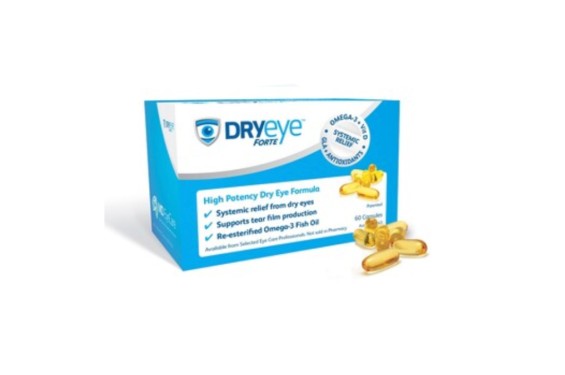
What It Is: High concentration omega-3 (EPA and DHA from fish oil) plus vitamin D3. Two capsules daily with food.
What It Targets: Systemic inflammation that contributes to dry eye. The high dose omega-3 reduces inflammatory markers throughout the body, including in the lacrimal and meibomian glands. The vitamin D3 addresses an under recognised factor. Low vitamin D is linked to increased dry eye severity, and many Australians are deficient despite the sunny climate.
When We Reach For It: Patients with inflammatory dry eye, autoimmune conditions like Sjögren’s syndrome, or symptoms that suggest systemic inflammation is contributing to the problem.
What Makes It Different: The addition of vitamin D3 is the big one. Most dry eye supplements stop at omega-3. If we suspect vitamin D is part of what’s going on, and in Australia (where indoor work and sunscreen use mean a lot of people are low), the combined approach often does more than omega-3 alone.
Lacritec Vs DryEye Forte: Which To Choose?
See Our Detailed Head To Head Comparison
Short version: Lacritec is our first choice for classic MGD and evaporative dry eye. DryEye Forte is our choice when inflammation is driving the picture, or when we suspect vitamin D is in play. The full comparison article walks through each factor in detail.
MD Eyes: Broader Nutritional Support
What It Is: A combination of fish oil omega-3, evening primrose oil (omega-6 GLA), vitamin D, and antioxidants including vitamin E and zinc.
What It Targets: Tear film support and general eye nutritional health in a single product. Covers the omega fatty acid layer and adds antioxidants that help protect tear producing cells from oxidative stress.
When We Reach For It: Patients who want a broader spectrum supplement rather than taking Lacritec for dry eye and a separate multivitamin. Also useful for patients with both dry eye and early signs of age related eye changes.
What Makes It Different: The widest formula of the three. Covers omega fatty acids, fat soluble vitamins, and antioxidants in a single capsule. It’s a practical option for patients who don’t want to stack multiple products into their daily routine.
The Quick Comparison
| Lacritec | DryEye Forte | MD Eyes | |
| Primary Target | Meibomian gland oil quality | Systemic inflammation | Broad tear support and nutrition |
| Omega-3 | Yes (balanced with omega-6) | Yes (high dose) | Yes |
| Omega-6 | Yes (borage oil) | No | Yes (evening primrose) |
| Vitamin D3 | No | Yes | Yes |
| Antioxidants | No | No | Yes (E, zinc) |
| Best Suited For | MGD and evaporative dry eye | Inflammatory dry eye | Dry eye plus general eye nutrition |
| Time To Results | 8 to 12 weeks | 8 to 12 weeks | 8 to 12 weeks |
| Daily Dose | 2 caps (loading), 1 cap (maintenance) | 2 caps with food | Follow pack |
Supplements We Stock For Other Eye Conditions
Not every eye supplement we stock is for dry eye. If you’re here because you were searching generally, here’s what else we cover:
- Macutec Once Daily Vs Macu Vision Plus For Macular Degeneration: AREDS2 based formulas for age related macular degeneration (AMD), not dry eye. If you’ve been diagnosed with AMD or have a family history, this is the category you need.
- Vitrocap N For Persistent Eye Floaters: A nutritional approach for vitreous floaters. Different mechanism, different product category, longer timeframe (3 to 6 months). Worth reading if floaters are your main concern.
Can I Just Take Fish Oil From The Chemist?
Yes, technically. But there are a few reasons we don’t usually recommend it as a first move.
Dose. Supermarket fish oil is typically lower concentration than purpose built dry eye supplements. To reach the same therapeutic dose you’d need to take several times as many capsules.
Ratio. The balance of omega-3 (EPA and DHA) to other fatty acids matters for tear film quality. Generic fish oil isn’t formulated with the tear film in mind.
Quality. Purpose built supplements tend to use higher quality, pharmaceutical grade fish oil with better purity, freshness, and absorption. Cheap capsules sometimes fail on all three.
Additional Ingredients. DryEye Forte’s vitamin D, MD Eyes’ antioxidants, Lacritec’s omega-6. These are in the formulas because research supports their role in tear film health. Generic fish oil doesn’t include them.
If budget is the real barrier, good quality fish oil is better than nothing. We’d rather you take it consistently than take nothing at all. But for targeted dry eye support, the formulated options give more consistent results.
Which Supplement Should You Take?
Start with your optometrist. Dry eye has a few different underlying causes and the right supplement depends on which one you have.
- MGD Or Evaporative Dry Eye (The Most Common Type): Lacritec is usually where we start.
- Inflammatory Dry Eye, Autoimmune Involvement, Or Suspected Vitamin D Deficiency: DryEye Forte tends to do more.
- Broad Nutritional Support With Dry Eye As One Of Several Concerns: MD Eyes covers the most ground in a single product.
- Floaters Rather Than Dry Eye: Vitrocap N is the one to read about.
- Macular Degeneration: AREDS2 based supplements like Macutec, not a dry eye product.
Supplements are one piece of the dry eye treatment puzzle. They work best combined with a daily eyelid hygiene routine, warm compresses from a proper heated eye mask, and the right lubricating drops for your situation. No supplement alone is going to solve dry eye for most patients. And honestly, if your optometrist has recommended one in isolation, that’s worth a second conversation.
Dry Eye Bundles: The Simpler Path
If you’d rather not piece the routine together yourself, we put together ready made bundles that match the severity of the dry eye we see most often. Each bundle pairs the supplement with the compresses, cleansers, and drops that work alongside it, so you get the full routine in one order.
- Mild Dry Eye Bundle: For early or intermittent symptoms. A starting point bundle for patients who are noticing dryness but aren’t in active flare.
- Moderate Dry Eye Bundle With Lacritec: For moderate evaporative dry eye where MGD is the driver. Pairs Lacritec with the other components of the daily routine.
- Moderate Dry Eye Bundle With DryEye Forte: Same moderate level bundle but built around DryEye Forte for patients where inflammation is the driver.
- Severe Dry Eye Bundle With Lacritec: For patients with established, active, daily dry eye. The Lacritec based version.
- Severe Dry Eye Bundle With DryEye Forte: The same severe level bundle with DryEye Forte as the supplement.
- Severe Dry Eye Bundle (Stye Package): For patients whose dry eye is coming with recurrent styes or significant blepharitis. Includes the products we reach for most often in this scenario.
If you’re not sure which bundle matches your situation, book an appointment and we’ll tell you which one we’d put you on, or build a custom combination if none of the standard bundles quite fit.
Not Sure Which One Fits Your Situation?
The honest answer is that the right supplement depends on what’s driving your dry eye, and that’s not something you can work out from an online article. Book an appointment and we’ll assess your tear film, look at your meibomian glands under the slit lamp, and match the supplement to what we actually see, not what the packaging claims.
Shop Dry Eye Supplements At Eyes By Design
Book An Appointment With Our Optometrists
FAQs
How Long Before A Dry Eye Supplement Starts Working?
Most patients notice a meaningful change at around 8 to 12 weeks of consistent daily use. Some notice small improvements earlier (less grittiness, less burning through the day), but the tear film quality changes we’re aiming for take two to three months to show up. Consistency is non negotiable. Taking a supplement for two weeks and stopping won’t deliver results.
Can I Take Dry Eye Supplements With Other Medications?
Omega-3 supplements can thin the blood slightly, so if you’re on blood thinners (like warfarin or aspirin) you should check with your GP before starting. Most other medications are fine alongside these supplements, but it’s worth mentioning any new supplement to your GP or pharmacist, especially if you take multiple prescription medications.
Is Fish Oil From The Chemist As Good As A Purpose Built Dry Eye Supplement?
Not quite. Supermarket fish oil is usually lower dose, less targeted, and doesn’t contain the additional ingredients like vitamin D3 or omega-6 GLA that some dry eye formulas rely on. If budget is the barrier, quality fish oil is better than no supplement at all. But for targeted support, purpose built supplements deliver more reliable results.
Do I Need To Keep Taking A Dry Eye Supplement Forever?
For most patients with chronic MGD or inflammatory dry eye, yes. Ongoing use is recommended. Dry eye is usually a chronic condition and supplements support the system continuously. Some patients can drop from a loading dose (2 capsules) to a maintenance dose (1 capsule) once symptoms settle. Your optometrist will help you work out the right long term approach on review.
Can I Take Multiple Eye Supplements At The Same Time?
Usually not necessary, and sometimes counterproductive. For example, taking Lacritec and DryEye Forte together would mean very high omega doses. Taking MD Eyes alongside another dry eye supplement would mean overlapping ingredients. One dry eye supplement at a time is the rule. The exception is if you’re taking a dry eye supplement and something for a different condition entirely, like Macutec for AMD, which has a different formulation and target.
Why Do I Need Vitamin D In A Dry Eye Supplement?
Research has linked low vitamin D with more severe dry eye symptoms and poorer tear film quality. Despite Australia’s sunny reputation, a surprising number of patients we see are vitamin D deficient, particularly those who work indoors, wear sunscreen consistently, or have darker skin tones. DryEye Forte and MD Eyes include vitamin D3 for this reason. If your GP has already flagged low vitamin D on a blood test, the combined supplements often do more than omega-3 alone.
This article is intended to promote understanding of and knowledge about general eye health topics.
It should not be used as a substitute for professional advice, diagnosis or treatment.
Always seek the advice of your health care professional prior to incorporating this as part of your health regimen.

Dr Nicholas Altuneg
For over two decades, my greatest passion has been helping people of all ages live improved lives through better vision. At Eyes by Design, vision is so much more than being able to see clearly or read small letters from far away; it determines your perceptions and reactions every second of the day.
Read more about Dr Nick



Shop by Categories
Get In Touch
Contact us today